
What is SEO and How It Works in 2026: The Complete Guide to AI, Voice, and User Intent
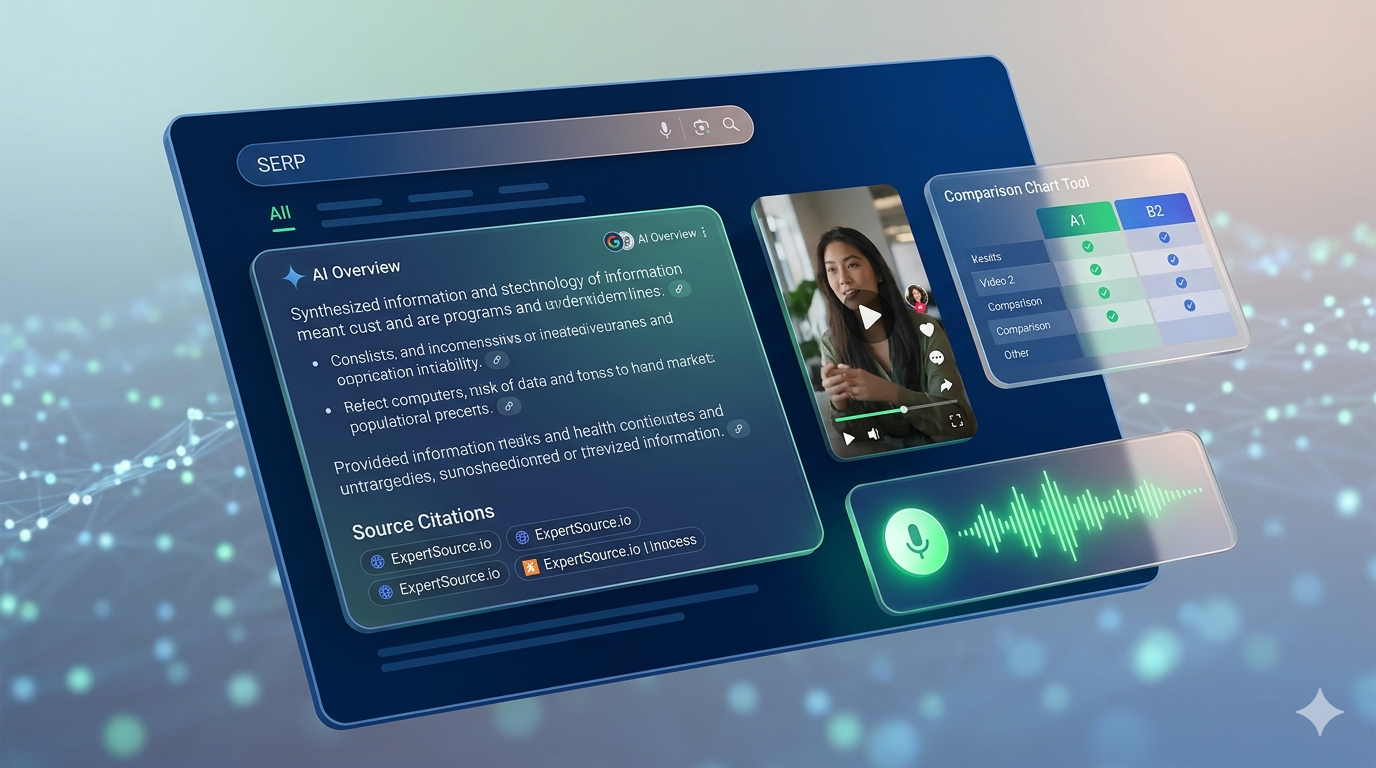
The Evolution: SEO in 2026 vs. The Past
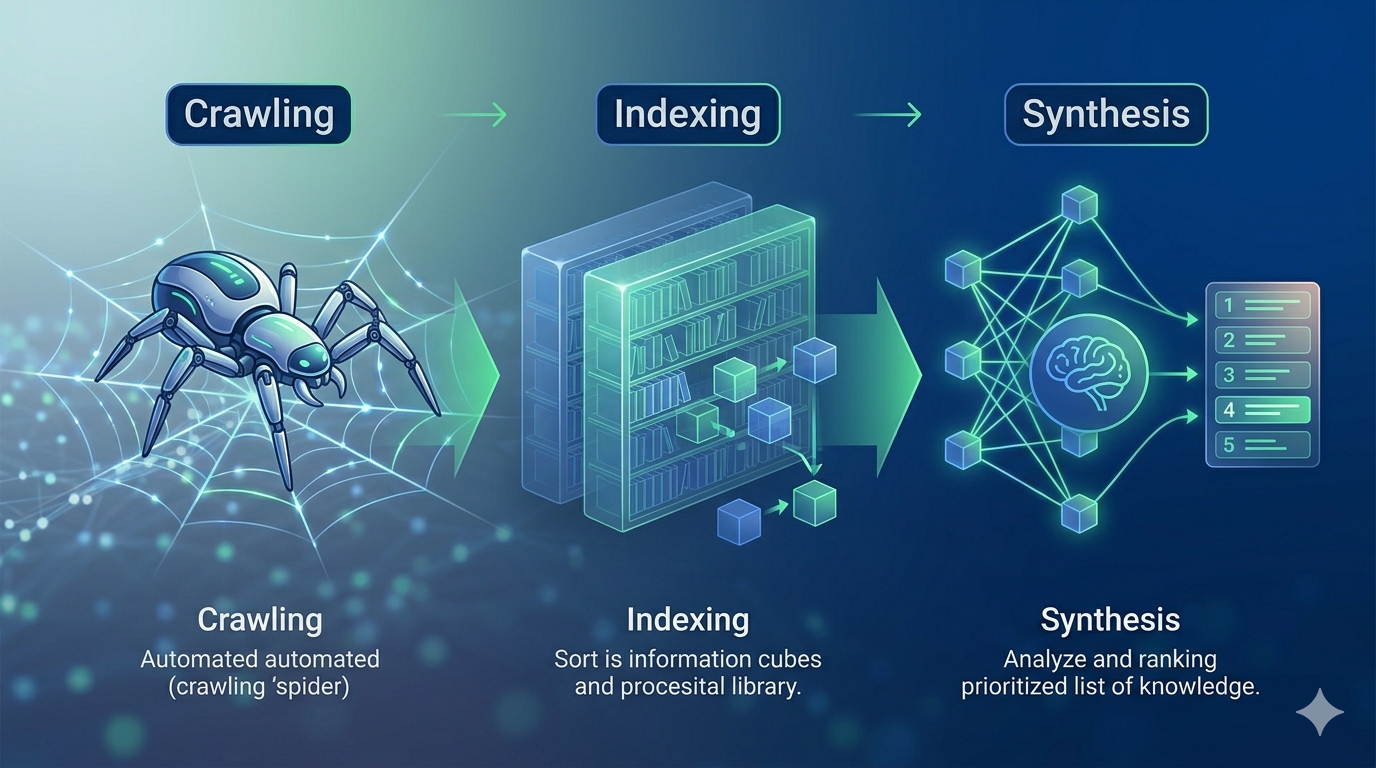
Part 1: How Modern Search Engines Work
Part 2: The Core Pillars of SEO in 2026
If you want to rank in 2026, you must focus on four key areas.
Pillar 1: EEAT (Experience, Expertise, Authoritativeness, Trustworthiness) – The “Human” Signal
As AI can generate infinite content, Google has doubled down on human signals. You cannot just say you are an expert; you must prove it.
Experience: Does the content show first-hand, real-world experience? (e.g., reviews with original photos, case studies).
Expertise: Is the author a recognized credentialed expert in the field?
Authoritativeness: Is your site the go-to source for this specific topic?
Trustworthiness: Is the information accurate, safe, and transparent?
Real Example: The Health Niche In 2020, a generic article about “How to treat a sprained ankle” written by a ghostwriter could rank. In 2026, that same query will be dominated by articles reviewed by verified doctors, containing videos of physical therapists showing the exercises, and perhaps interactive tools to gauge sprain severity. Generic content is demoted.
Pillar 2: Deep User Intent Optimization
Keywords are just vectors for intent. In 2026, we focus on “Entity-Based SEO.” The AI understands that if a user searches for “Best camera for hiking,” they aren’t just looking for those words. They want something durable, lightweight, with good battery life, probably weatherproof, and easy to use with gloves.
Your content must answer all the ancillary questions surrounding the main query.
Real Example: E-commerce If a user searches for “men’s sustainable running shoes,” a simple listicle of shoes isn’t enough. They are likely concerned about carbon footprint, material origins (recycled plastics vs. organic cotton), and durability. A ranking page in 2026 will include interactive comparison charts of sustainability metrics, video reviews of the shoes being tested on trails, and transparent manufacturing data.
Pillar 3: Semantic and Structured Data
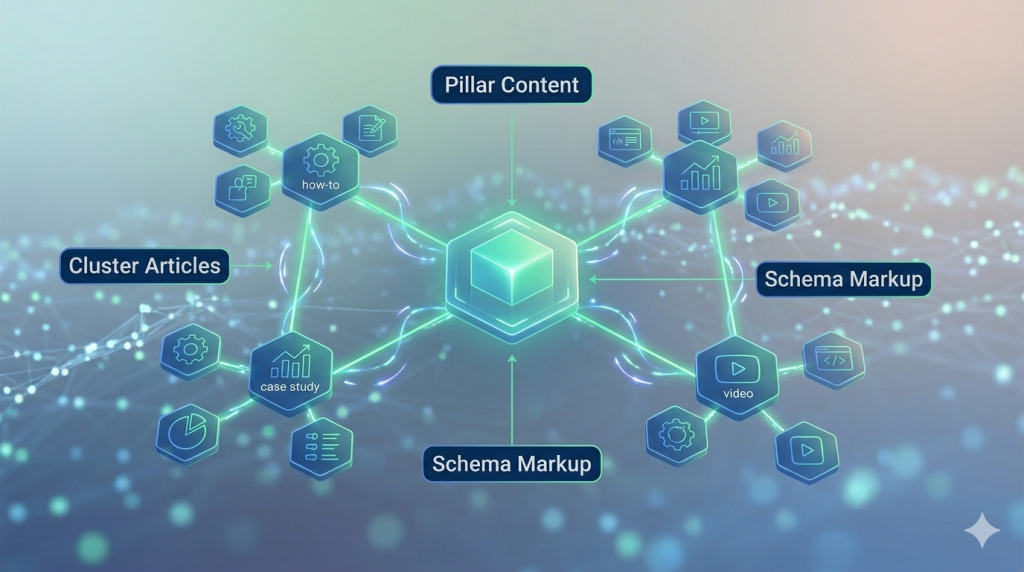
You must help the AI understand your content. This is achieved through Schema Markup (Structured Data). In 2026, specialized schemas are vital:
FAQPageSchema: Still vital for getting your FAQs into the SERP.ProductandOfferSchema: Essential for E-commerce visibility, especially in “Shopping” tabs.CourseandEventSchema: Critical for educational or local businesses.Newer, specialized schemas: (e.g., specifying if a piece of content was generated by AI or a human).
Pillar 4: The Core Technical & Speed Performance (The “Vitals”)
Google’s “Core Web Vitals” (how fast and smoothly a page loads) are still critical ranking factors, but in 2026, the expectations are higher.
Instant Load: With advancements in edge computing (like Cloudflare Workers) and 6G connectivity becoming common, users expect instant loading. A delay of 500ms is now considered slow.
“Interaction to Next Paint” (INP): This metric measures responsiveness. In 2026, interactive elements (calculators, quizzes) must be butter-smooth.
Part 3: Step-by-Step SEO Strategy for 2026
Here is how you apply these pillars practically.
Step 1: Niche Topical Authority
You can no longer be a generalist. Choose a very specific niche and cover every possible question related to it. Create a “Topic Cluster” model.
Pillar Page: A comprehensive guide on a broad topic (e.g., “The Complete Guide to Urban Gardening”).
Cluster Content: dozens of smaller articles answering specific questions (e.g., “Best tomatoes for apartment balconies,” “How to compost in a small space,” “Vertical gardening setup cost”).
Step 2: Content Optimization (AI-Proofing)
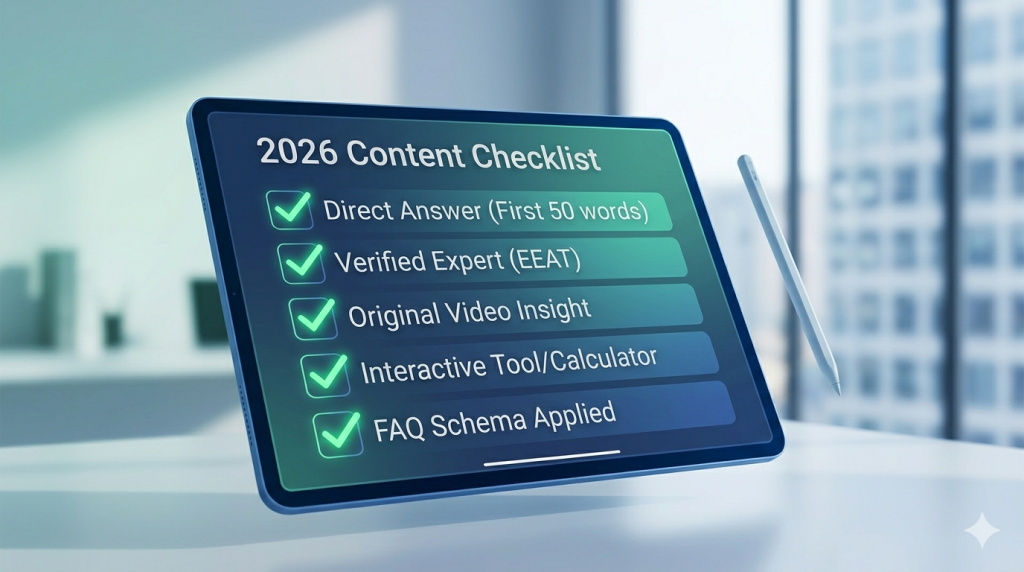
When creating content:
Direct Answer First: The very first sentence or paragraph should directly answer the primary keyword query. This makes it easy for AI agents to “scrape” and credit you.
Add Unqiue “Data Insights”: AI cannot generate new data. Conduct surveys, perform experiments, or publish case studies. This proprietary data is highly valuable and cannot be replicated by basic LLMs (Large Language Models).
Optimize for Voice and “Answer” Engine: Think about how people speak questions. Instead of “SEO basics,” optimize for “How does SEO work in 2026?”
Step 3: Off-Page SEO and Digital PR
Link building is no longer about getting 100 links from obscure directories. It is about Digital PR and Brand Authority. In 2026, Google cares less about the link itself and more about the context of the mention.
A mention of your brand in a major publication like The New York Times or a leading industry journal (even without a direct hyperlink) is a stronger signal of trust and authority to an AI than 50 links from low-tier blogs.
Conclusion
SEO in 2026 is no longer about “optimizing for search engines.” It is about optimizing for user answers, provided by engines.
The foundation remains technical health and high-quality content, but the layer on top must be focused on proving experience, satisfying deep intent, and utilizing semantic markup to ensure that modern AI models recognize you as the ultimate authority. By focusing on the user first, you will inherently succeed in SEO.